
Handwoven Sisal Laundry Baskets — The Iringa Collection
Most laundry baskets in the UK are machine-woven from synthetic fibre — identical, off a production line, built to a price. Ours aren’t. Every Iringa laundry basket is hand-plaited from sisal, one strand at a time, by African artisans. That’s a genuinely different kind of laundry basket: strong enough for daily use, natural rather than synthetic, and rooted in real craft rather than mass production.
Sisal comes off the leaf coarse and fibrous — nothing like the soft ribbon of raffia. That coarseness is exactly what makes it work as a laundry basket rather than just a decorative one: it holds a tight, rigid weave that doesn’t sag or splay once you load it with a week’s washing, and it keeps that shape wash after wash, year after year.
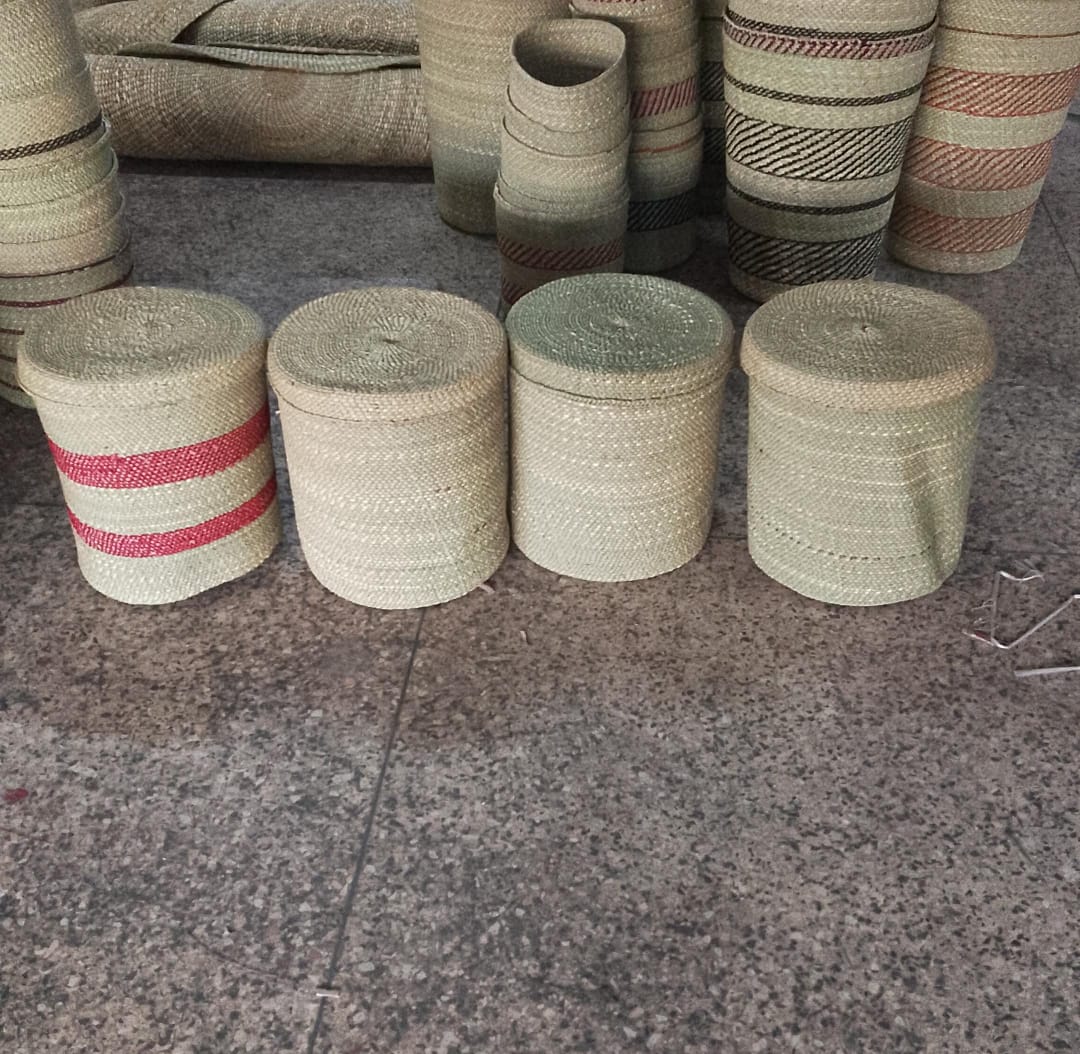
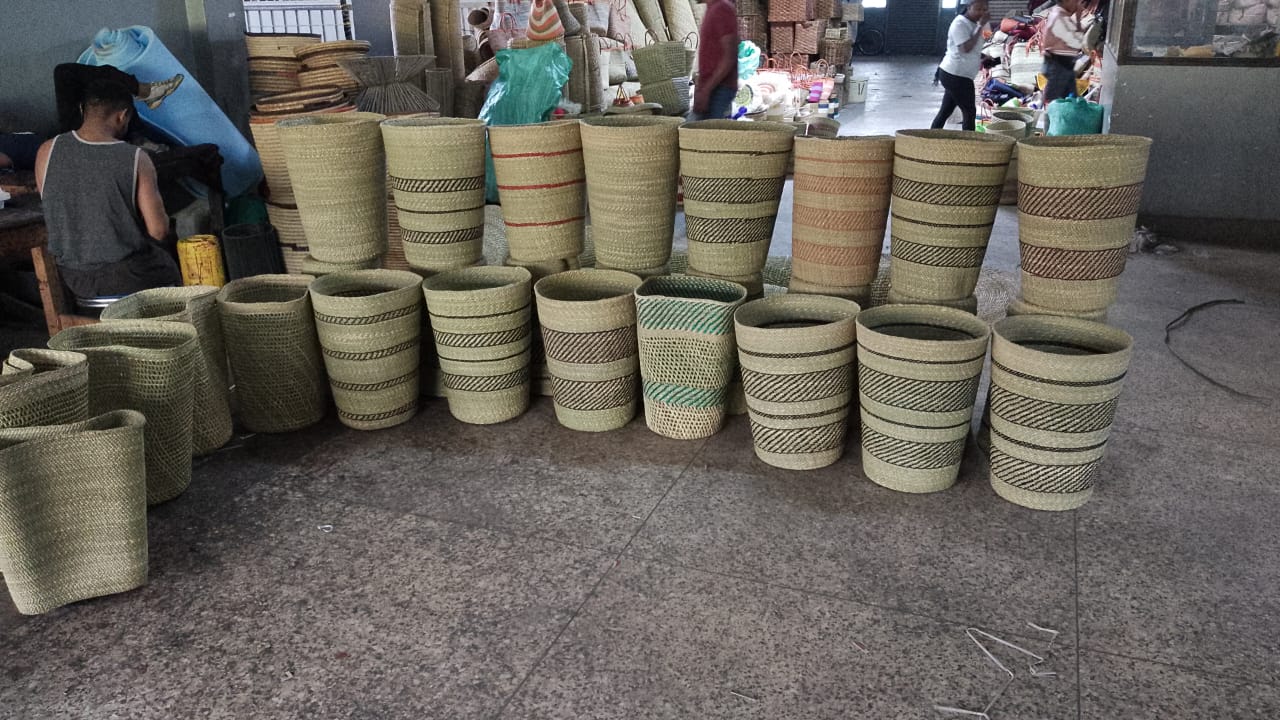
Why Sisal Makes a Better Laundry Basket
- It’s built for weight, not just looks. Sisal is a stiffer, coarser fibre than raffia or seagrass, which is why it’s traditionally used for rope and heavy-duty matting. A laundry basket needs to take a genuine load without the sides bowing out — sisal holds that structure.
- It stands up empty and full. No frame, no wire support — the weave itself is rigid enough to keep its shape whether it’s empty on laundry day or loaded to the top.
- It resists odour naturally. Unlike a sealed plastic bin, an open sisal weave lets air move through, so laundry waiting to be washed doesn’t sit trapped and stale.
- It’s genuinely hard-wearing. Sisal is the same fibre used in rope, doormats and heavy cordage — a laundry basket gets far less daily abuse than any of those, which is why ours are built to outlast a synthetic hamper by years, not months.
- No two are identical. Hand-plaiting means small shifts in tone and tension basket to basket — yours will be close to the photograph, never a mass-produced duplicate.
What Is Sisal, and Where Does It Come From?
Sisal fibre comes from the leaves of Agave sisalana, a hardy agave plant grown across East Africa. Mature leaves are cut from the plant, and the coarse fibre is stripped out, cleaned and dried in the sun until it turns from pale green to the warm cream-brown tone you see in the finished basket.
As with our raffia baskets, nothing is felled to make a sisal basket — only leaves are cut, and the plant keeps producing new growth for years afterwards. It’s then hand-plaited into the base and walls of each Iringa basket by artisans, using the same techniques passed down through generations of East African weavers.
Laundry Basket With Lid, or Open?
Laundry basket with lid — keeps washing out of sight and dust off clean laundry. The lid also gives you a flat surface on top, useful in a small bathroom or bedroom where every bit of surface counts.
Open laundry basket — easier to toss items into one-handed, and lets the sisal weave breathe fully — worth choosing if you’re storing slightly damp gym kit or towels between washes.
Iringa sizes — available in small, medium and large. Small suits a single bedroom or en-suite; large is built for a full family laundry load.
Sisal, Collapsible Fabric, Plastic or Synthetic — An Honest Comparison
Laundry baskets aren’t interchangeable, and sisal isn’t the right answer for every situation.
| Basket type | What it’s actually good for | Where it falls short |
| Sisal (ours) | Daily laundry loading/unloading, damp gym kit, towels — strong under repeated weight, stands rigid on its own, natural odour resistance. | Not designed to fold flat for storage; shouldn’t be soaked or machine washed. |
| Collapsible fabric basket | Tight cupboards, travel, temporary storage — folds flat when empty. | Canvas/polyester sags under a full wet load, no structure, wears out faster with daily use. |
| Plastic laundry bin | Bathrooms, damp areas — wipes clean, doesn’t mind splashes. | Doesn’t breathe, traps odour and damp in stored laundry, looks like plastic. |
| Machine-woven synthetic hamper | Uniform look, usually cheaper, widely available. | Mass-produced, identical to thousands of others, made from synthetic fibre rather than a natural material. |
So: if you need something that folds flat for a small flat or travel, a collapsible fabric basket will suit you better than ours. If it’s going somewhere genuinely wet, buy plastic. If you want a laundry basket that holds a full load without sagging, stands on its own as a piece of furniture rather than something to hide, and was hand-plaited rather than machine-woven from synthetic fibre — this is the one.
Handmade, Fairly Paid, Naturally Sourced
Every Iringa basket is hand-plaited by African artisans, paid directly and fairly for their work. Sisal is harvested by cutting leaves, not felling the plant, so the source keeps growing season after season. There’s no plastic core, no metal frame, no synthetic binding anywhere in the process — and at the end of a long working life, a sisal basket breaks down naturally instead of sitting in landfill the way a plastic laundry bin does.
Caring for a Sisal Laundry Basket
- Dust it with a dry cloth or soft brush — this handles most day-to-day care.
- For a mark, use a barely damp cloth and let it air-dry fully.
- Don’t soak it, machine wash it or leave wet laundry pressed against it for long periods — sisal doesn’t tolerate prolonged damp.
- Keep it out of standing water and away from radiators or direct heat.
- If the weave loosens slightly with heavy use over time, that’s the natural fibre settling, not a fault — it can be gently reshaped by hand.
Frequently Asked Questions
What is a sisal laundry basket made from?
Sisal comes from the leaves of Agave sisalana, a hardy agave plant grown across East Africa. The coarse fibre is stripped from mature leaves, cleaned and sun-dried, then hand-plaited into the basket. Only leaves are cut, so the plant keeps growing.
Is this laundry basket collapsible?
No. Our Iringa laundry baskets are rigid, hand-plaited from sisal, and built to hold a full load without sagging — the opposite of a fold-flat fabric basket. If you need something collapsible for tight storage, this isn’t that; if you want a laundry basket that stands as a genuine piece of furniture and lasts for years, this is built for exactly that.
Do you sell an African laundry basket with a lid?
Yes — the Iringa basket with lid is hand-plaited from sisal and keeps laundry out of sight, with a flat top surface.
What’s the difference between a sisal laundry basket and a normal laundry hamper basket?
Most laundry hamper baskets sold in the UK are machine-woven from synthetic fibre onto a uniform frame. Ours are hand-plaited from natural sisal by African artisans, so the weave, tone and shape are never quite identical basket to basket.
How much weight can a sisal laundry basket hold?
Sisal is a stiff, coarse fibre traditionally used for rope and heavy matting, so a well-plaited basket comfortably holds a full laundry load without the sides bowing. It’s not designed to be sat or stood on.
Can I use a sisal basket in a bathroom?
Yes, for everyday laundry and dry storage. Keep it away from direct splash zones and standing water, since sisal shouldn’t be repeatedly soaked.
Do you offer wholesale on African laundry baskets?
Yes. We supply shops, stylists and retailers at wholesale rates with flexible order quantities — get in touch to discuss numbers.